
10 Slightly Embarrassing Things I Do to Manage Insulin Resistance
Updated: Oct 3

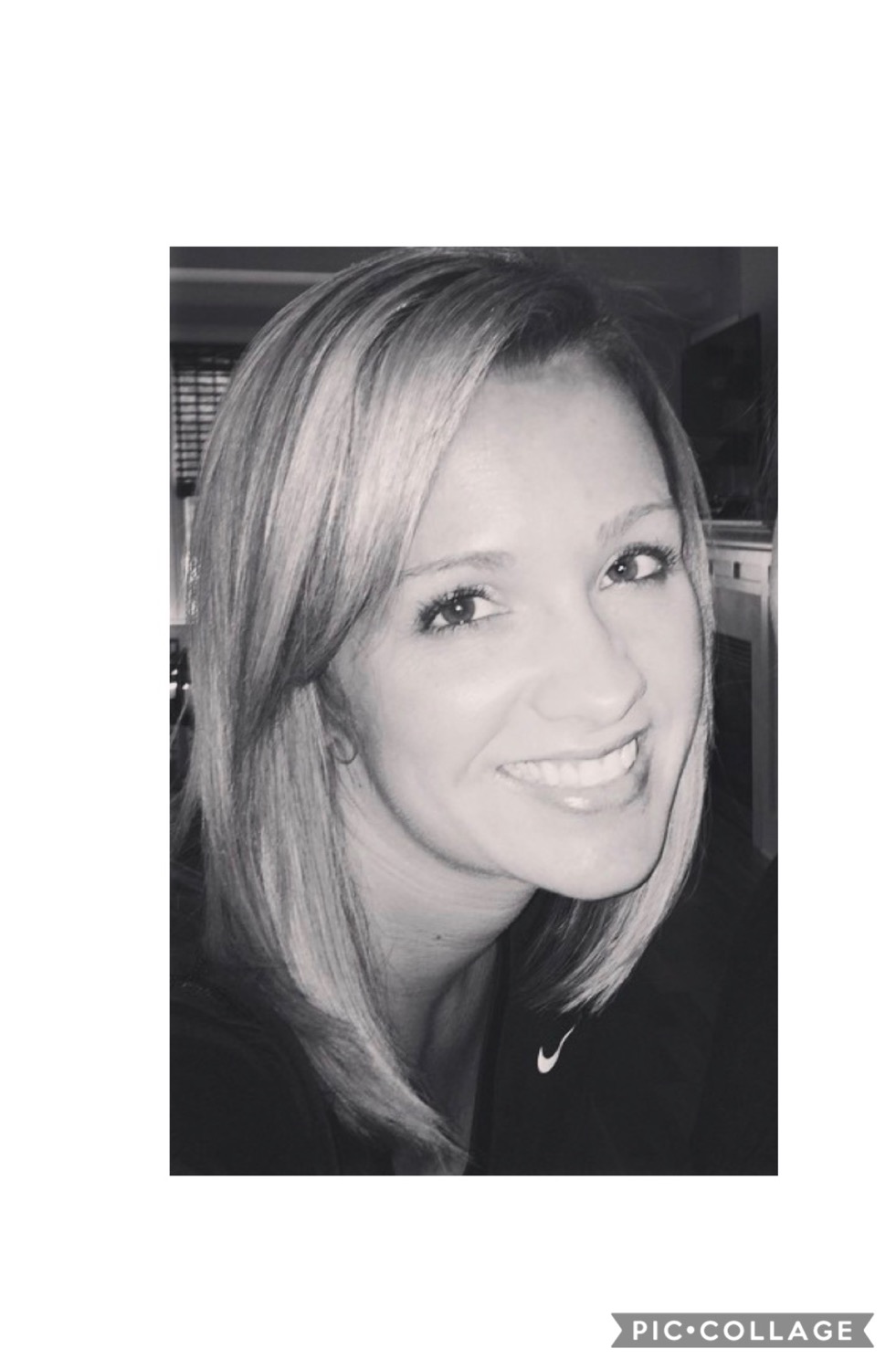
I am 46 years old. I am a nurse. I have insulin resistance.
And here is what most people miss — I did the work. I tracked macros. I lifted weights. I ate whole foods. I lost over 40 pounds in perimenopause.
But the whole time, something was off. I was tired in a way that did not match my effort at times. My workouts were harder than they should have been. I stayed sore. I got shaky and called it "low blood sugar."
I thought it was just midlife.
Then I put on a CGM. And in a hotel room one night my monitor read in the 200s. Not low. High. I had been treating high blood sugar like low blood sugar for years and not known the difference. (I told the full story of that night HERE.)
My labs came back borderline prediabetic. And suddenly the fatigue, the soreness, the slow recovery — they all had a name.
Macros and strength training got me here. Eating order, avoiding naked carbs, and PFF are how I manage insulin resistance now. Because "healthy" is not the same as "blood sugar friendly," and "I eat clean" is not the same as "I eat strategically."
So now I do some genuinely weird things. Not "wellness influencer perfect" weird. Real weird. The kind of weird that gets a side-eye from my husband and a "Mom, please" from my girls. But the kind of weird that helps blunt the blood sugar spikes and crashes, keeps my labs in range, and my energy where I need it to be at 46.
And I am not giving that back. Not for a bread basket. Not for a side-eye. Not for anything.
Here are ten slightly embarrassing habits I have built — on purpose. If any sound like you, welcome.
1. I rarely eat naked carbs.
Carbs are not the enemy. Naked carbs are.
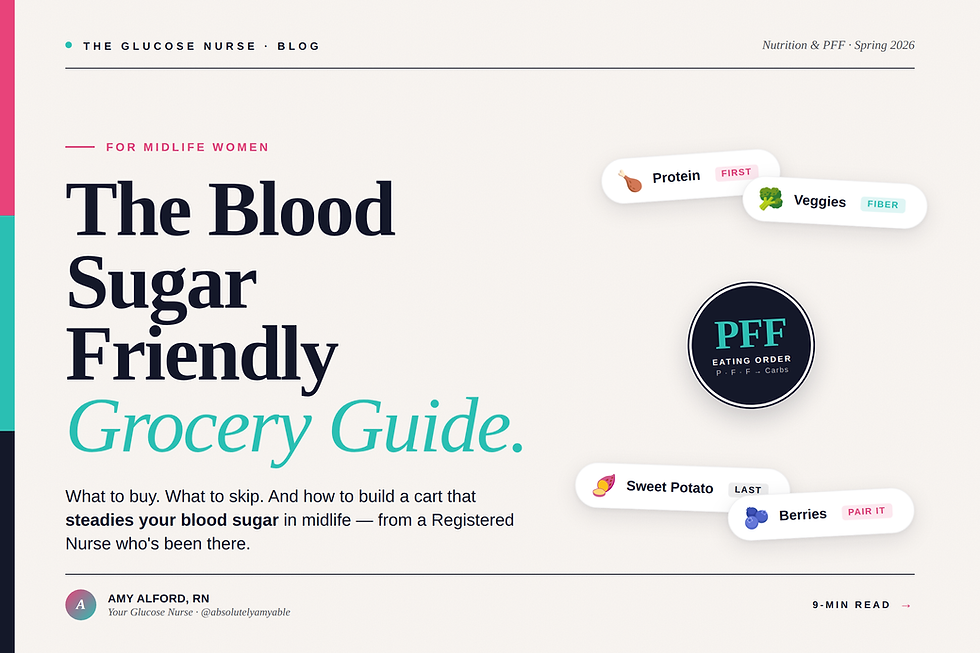
That means the bread on the table before dinner? It waits. The pasta? Waits. The dinner roll on my plate? Waits. I eat my protein first. Then my veggies and healthy fat. And THEN the carbs get to come along — paired up, not solo. PFF — protein, fat, fiber first, carbs last. Almost every single time. My CGM line stays flatter. My energy stays steady. The bread still tastes great. It just gets to do its job without spiking my blood sugar to the ceiling.

2. I do 10 to 20 air squats after a carb-heavy meal that was not the most PFF-friendly.
Right there in my kitchen. While the dishes are still on the counter. My leg muscles are the biggest sugar-storage tanks in my body — when they are empty, they soak up the carbs from my plate and put them to work instead of letting them park in my bloodstream. It takes about 90 seconds. Nobody dies. And my next CGM hour looks completely different than it would have.
3. I walk for 10 minutes after dinner — even if it is circles around my house.
I do not have a fancy kitchen island to loop around. I have a hallway. A living room. A stubborn refusal to spike my blood sugar at 7pm. So I walk. In circles. Sometimes with the dog. While my family watches whatever show is on. Post-meal walking is one of the most studied blood sugar interventions there is, and it costs me nothing but ten minutes and a little vanity.
4. I bring my own salad dressing or dipping sauce.
In a tiny container tucked in my purse. Because here is what most people do not realize — dressings, sauces, glazes, and marinades are some of the biggest hidden sugar bombs on the menu. A two-tablespoon serving of "balsamic vinaigrette" can have more added sugar than a cookie. Honey mustard, the same. Asian salad dressing, brace yourself. Most BBQ sauces are basically liquid candy. I would rather pack a tiny container
than blow up my blood sugar on a salad.

5. I eat in PFF order — at home AND at restaurants.
Protein bite first. Then fat and fiber. The carbs come last. I am not picking at the bread basket, then drinking my water, then poking the salad, then maybe getting to the chicken twenty minutes in. I am eating with intention. Even if it looks a little obsessive. Even if my dinner companion is watching.
6. I keep snacks in my bag. Always.
Not granola bars in a bathroom stall — let us be clear, we have standards. But a small container of nuts, a string cheese, a hard-boiled egg, a single-serve protein? Always tucked in my purse. Because the worst blood sugar decisions I have ever made were the ones I made starving in a Target parking lot at 4pm.
A current favorite in my purse rotation? E3 Energy Cubes — clean ingredients, blood sugar friendly, small enough for any bag — Grab them HERE + get 20% off.
PS — if you want the actual list of snacks I keep on repeat — 20 to 30g protein, 5 to 10g fiber, all grab-and-go — I rounded them up HERE.
7. I wear my CGM where everyone can see it — and I love it.
On my arm. In short sleeves. At the pool. At church. I do not hide my sensor. It has taught me more about my own body than years of "you are fine, your labs look great" doctor's visits ever did. I share my own data because it is mine to share — and because women in this season of life deserve to know what is actually happening inside their bodies.

Quick aside — sensors love to peel up, especially in the shower. I cover mine with Skin Grip patches and they keep it on the full 10 to 15 days. → Amazon
8. I drink coffee on an empty stomach — but only the right kind.
I know all the wellness people say not to. Black coffee on an empty stomach can spike cortisol, and cortisol can spike blood sugar. Fair. But I have tested several options on my CGM that do not spike me, and these are my two go-tos:
Slate Protein Coffee — 20g of protein, ready to drink, no spike on my sensor
STōK Cold Brew with ½ cup Lactaid protein milk — sweet, creamy, satisfying, also flat as a board
Coffee with protein is a completely different drink than coffee alone. I will die on this hill.
9. I stopped grazing from the candy bowl.
You know the one. On the nurse's station. On a coworker's desk. In the kitchen at every family gathering. The "just one little chocolate" twelve times a day that adds up to a hundred micro-spikes by bedtime. I do not do candy bowls anymore. Not because I am rigid — because I noticed what they were doing to me on my CGM, and I am not interested.
10. I gave up cardio and most HIIT — and I lift heavy instead.
This one might be the most embarrassing of all because I used to be a cardio queen. Now I lift. Heavier than I ever thought I would. Three days a week. Cardio is wonderful and it absolutely matters — but at this point in my life, in perimenopause, with insulin resistance, the most metabolically valuable thing I can do is build muscle. Muscle is where insulin sensitivity lives. Muscle is the organ that decides what happens to the carbs on my plate. So I stopped chasing calorie burn and started chasing strength.

Bonus — what I do NOT do
I love fasting principles. I still use them. What I do not do is rigid fasting.
There is a difference.
Time-restricted eating — letting your body rest between meals so it is not constantly producing insulin in response to food — is real, and it is one of the most underrated tools we have for blood sugar management. When you eat all day long, your insulin never gets a chance to come back down to baseline. That is the part that quietly drives insulin resistance over time.
The CGM is what made this click for me. I could see in real time what grazing was doing to my body — every "just a bite" between meals lit up my sensor. A handful of nuts here, a few bites of my kid's plate there, a little something with my coffee. Each little spike adds up to a body that never gets a break. So here is what I actually do. I stop eating about three hours before bed. I aim for two to three real meals a day with very little snacking in between. That is the whole "schedule." No fasting windows on a clock. No skipping breakfast on principle. No 16:8 stress. Just listening to my body and giving it real rest between fueling.
It is simple. It is sustainable. And my CGM line — and my labs — agree.
Here is what I want you to hear, friend.
This is not about perfection. This is not about being the weird one at the table. This is about stewardship. I have been given one body in this season of life, and I have worked too hard, learned too much, and come too far to slide back into the foggy, exhausted, inflamed version of myself I was at 42.
If looping my hallway after dinner is what it takes? I will walk the hallway.
If you have read this and thought "oh no, I do that too" — you are not embarrassing. You are paying attention. And that is the whole game.
Next Steps for Fall:
Want the full plan? 💛
Inside my FASTer Way VIP group, you'll get personalized macros, workouts, meal guidance + access to the brand-new app to help you put it all together.
What I add is the protein + fat + fiber/blood sugar layer, my perspective as a nurse, and me in your corner helping you learn how to personalize the plan for YOUR life.
Use code FOUNDER for $20 off your first month.
Your Next Steps to Manage Insulin Resistance
The CGM I wear — Dexcom Stelo + the SIGNOS app. Over the counter. No prescription needed. The single most useful tool I have ever used for understanding my own metabolic health.
🩺 FREE — Insulin Resistance Checklist — the 10 signs to watch for before your labs even flag it.
Health is wealth. 🤍
— Amy Alford, RN Your Glucose Nurse
This blog post is for educational purposes only and reflects the personal perspective of a Registered Nurse. It is NOT medical advice and is NOT intended to diagnose, treat, cure, or prevent any condition. Always consult your licensed healthcare provider.
Affiliate disclosure: Some of the links in this post are affiliate links. I may earn a small commission at no extra cost to you. I only share products I personally use and believe in.


Comments